Meet the people. Explore their work. Find your next inspiration.
A guide to Chautauqua-area writers, artists, books, and creative resources from Chautauqua Ink House, an independent publishing community rooted in Chautauqua, New York.
Six starting points across fiction, poetry, memoir, and local history. Each profile explains the connection: a local home, a working relationship, or stories set here.
Regional history & storytelling
Chris Flanders
Stow & Chautauqua Lake
Flanders writes about regional history, including The Bemus Point-Stow Ferry: A History and The Image Maker, which explores the people behind Pennsylvania’s early oil industry.
Pines sets her Mimi Goldman mysteries at Chautauqua Institution. Her series gives readers a fictional route into a recognizable place; her author biography places her home in New York City.
Zirm is a poet and playwright featured in Chautauqua’s local-author programming. His collection Cycling at Sunrise connects the daily rhythm of a bicycle ride with reflections on life.
Raised near Chautauqua Institution, Wahl brings her musical background and interest in Nashville to contemporary romances, including Summer Love in Music City.
Summer Love in Music City pairs a small-town librarian with a country music performer. Her publisher’s author page introduces the books and the writer behind them.
A novelist and playwright with a working connection to Jamestown Community College’s Scharmann Theatre. His fiction includes Beauty Rising, a story of family and a journey to Vietnam.
Pickut helped tell Jamestown broadcaster Jim Roselle’s story in The Best Times of My Life, a memoir of his life and interviews. His own work also includes other nonfiction.
From paper sculpture to photography, discover six artists whose work connects with this place. Follow a profile to explore more.
Ceramics, printmaking & painting
Audrey Kay Dowling
Portage Hill Art Gallery · Westfield
Dowling works across clay, painting, printmaking, and mixed media. Portage Hill Art Gallery in Westfield showcases her work alongside other regional artists.
Glosser uses photography to make painterly images of the outdoors. The lakeshores and woodlands of Chautauqua County are recurring sources of inspiration in her work.
The artist and owner of Chautauqua Art Gallery also writes and illustrates for young readers. Her picture book One Day with Dinosaurs brings her visual storytelling to the page.
Gutierrez is a Jamestown artist whose palette-knife paintings respond to the life and scenery around her. Her regional artist statement describes a practice rooted in memory and a sense of place.
Annear’s outdoor paintings explore landscape and light. His portfolio includes Chautauqua Lake, Mayville viewed from Long Point State Park, and scenes at Johnson Estate.
Browse his paintings for a different way to look at familiar shorelines and seasonal color, then follow the Art Trail to discover more working artists.
Bale explores the natural world through paper cuts, sculpture, drawing, and ceramics. Her Jamestown practice brings wildlife and organic forms into a range of materials.
An independent editorial selection, not a complete directory or a list of Ink House members, partners, or endorsements. Summaries are based on the linked author, publisher, college, and arts sources. Sources checked . Suggest a creator or send a correction.
FROM THE HOUSE SHELVES
Books from our corner of Chautauqua.
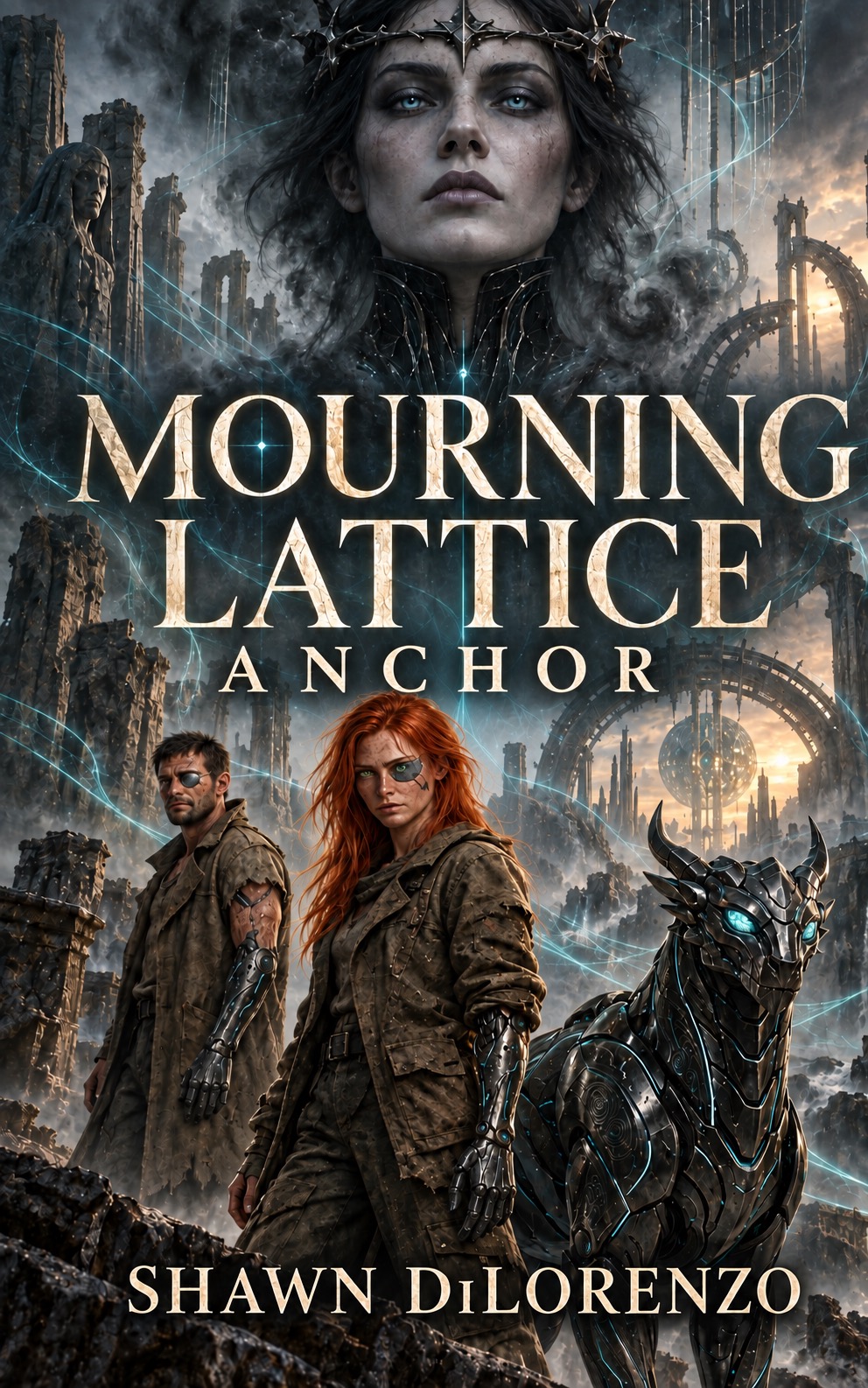
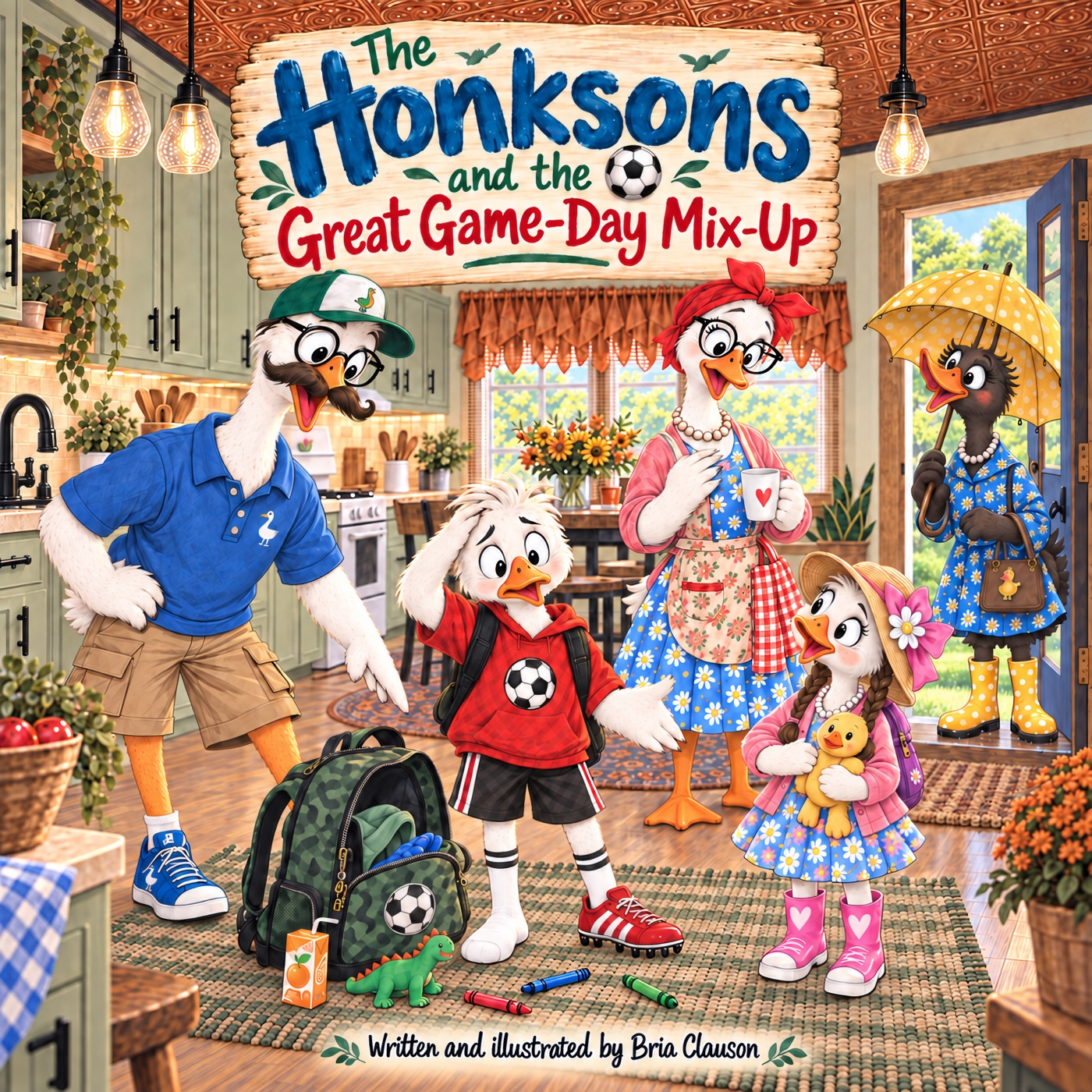
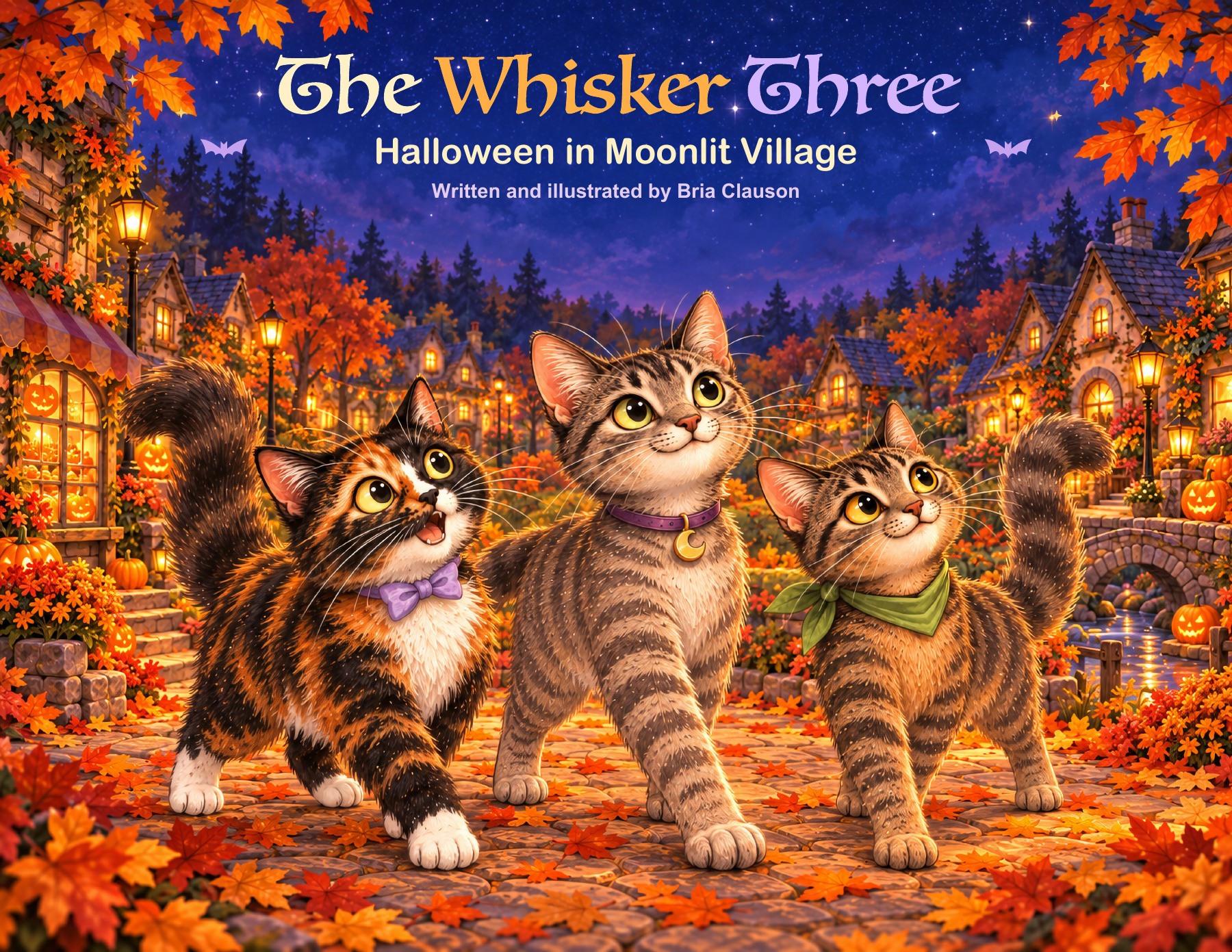
Books by Ink House founders Shawn DiLorenzo and Bria Clauson, from illustrated adventures to speculative fiction. Each book page explains its preview and reading options.
Join Marnie, Pippa, and Tilly for a Halloween lantern walk through Moonlit Village, where a new friend, curious sounds, and a shadow in the forest turn a little adventure into a very big surprise.
Find readers, writers, and artists in our People directory, or join a conversation in the Community. You do not need to live in Chautauqua County to take part.
Writing something of your own? The Community Library accepts member submissions for review. Approved books join the member collection.
PLACE & IMAGINATION
Let the lake slow the page down.
Chautauqua Lake offers a starting point for paying attention: water changing color under a cloud, the sound of a dock, the difference between a busy summer afternoon and a quiet autumn shore. For a writer, those small changes can become atmosphere, rhythm, or the first hint of a character.
The towns, roads, and everyday lives around the lake matter too. You can write from a place without setting every story there. Try the lakeside writing exercise below, or bring a detail from your own neighborhood to the page.
BEYOND OUR DOOR
Find your next literary connection.
A few useful starting points for readers and writers exploring the region. Follow the source links for current information.
Use the Chautauqua-Cattaraugus Library System directory to find a nearby library, then check its own calendar for book groups, readings, and activities.
Explore writing workshops and readings offered by Chautauqua Institution. Check the organizer’s current program for dates, registration, and access requirements.
The county historian’s library guide points readers toward local history resources. Ask librarians about newspapers, local authors, and collections that can ground your research.
These are independent resources. Chautauqua Ink House is not affiliated with Chautauqua Institution, Chautauqua County government, or the library system. A link is not a partnership or endorsement.
THE LOCAL NOTEBOOK
A closer look at the place we call home.
A place for writing exercises, local stories, and future interviews. Begin with a few minutes of close attention beside the lake.
Writing exercise
A page beside Chautauqua Lake
A short exercise in noticing a place before turning it into a story.
Open the writing exercise
Choose a spot where you can pause safely, beside the lake or at a window overlooking your own neighborhood. For five minutes, write only what you notice: the rhythm of the water, a porch light, a voice carrying from somewhere you cannot see. Leave out words like beautiful and peaceful. Find the details that make this particular moment different.
Now imagine two people waiting there for different reasons. Let one of them notice something the other misses. Write a page of dialogue without explaining either person’s history. What does the setting allow them to say, and what does it help them avoid?
On a second pass, keep three concrete details and remove the rest. A place can shape a story without becoming a travel description. If you borrow from a real conversation, change identifying details and respect the people whose lives you have glimpsed.